
Farewell to the Penny: What You Need to Know
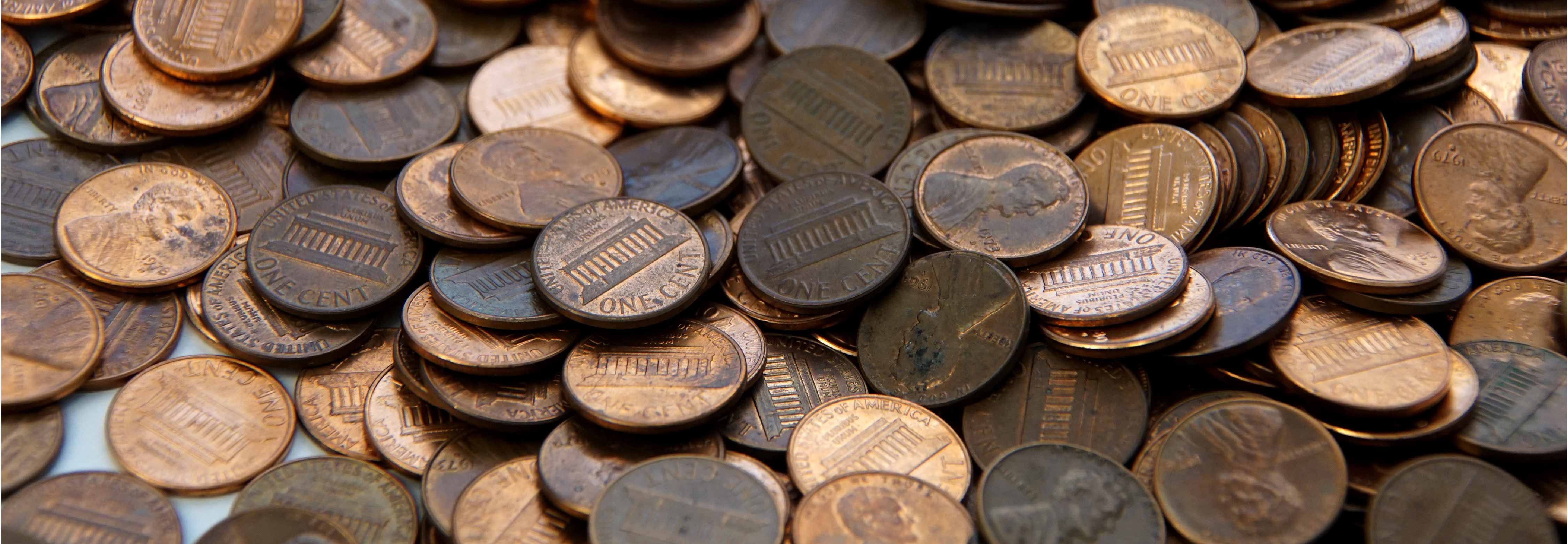
The humble penny has been a part of American currency for over 150 years—but its time is coming to an end. In early 2025, President Trump directed the U.S. Treasury to stop producing new pennies as part of a broader effort to reduce unnecessary government spending. While this change may seem small, it’s already beginning to affect banks, businesses, and everyday transactions.
Let’s break down what’s happening and what it means for you.
Why Is the Penny Being Retired?
- It costs nearly 4 cents to produce and distribute a single penny.
- Other countries like Canada and Australia have already eliminated their pennies—so the U.S. isn’t alone in making this move.
- Following the President’s directive, Congress introduced bills to officially end penny production.
What Happens Now?
Even though production has stopped, pennies remain legal tender. That means:
- You can still use them in transactions.
- Banks will continue accepting and processing them.
- There are an estimated 250 billion pennies still in circulation.
However, the supply is shrinking. As of September 29, 2025, banks can no longer order pennies from the Federal Reserve. Once existing supplies run out, they won’t be replenished.
What This Means for Businesses and Consumers
As penny circulation slows, you may notice:
- Fewer pennies available at banks and retailers.
- Cash transactions may be rounded to the nearest nickel.
- Signage or notices at checkout explaining rounding policies.
- Encouragement to use electronic payments, which are unaffected by the change.
Banks and retailers are working hard to manage the transition smoothly, but some adjustments will be necessary.
Looking Ahead
The banking industry is working closely with the Federal Reserve, Treasury, and other stakeholders to monitor coin circulation and support a smooth transition. In the meantime:
- Electronic payments remain the easiest and most precise option.
- Cash users should be aware of rounding and prepare for fewer pennies in circulation.
- Businesses may want to review their cash-handling procedures and communicate clearly with customers.
The retirement of the penny marks a significant shift in how we handle everyday transactions. While change can be challenging, it also opens the door to more efficient and modern payment practices. If you have questions or need help navigating this transition, your local bank branch is here to support you.