

Tax season comes around quickly. Before you know it, you’re looking for forms, receipts, and other paperwork you haven’t thought about in months.
Filing your taxes does not have to feel rushed or overwhelming. Starting early, staying organized, and checking for common mistakes can make the process a lot smoother.
For families and individuals across the Ouachitas and the Arkansas River Valley regions, tax season can also be a good time to step back and look at the bigger financial picture. If you receive a refund, you may want to use it to build savings, pay down debt, or cover upcoming expenses.
These tax season tips can help you maximize tax refund opportunities, avoid common tax mistakes, and move through filing season with more confidence.
Why Preparing Early Matters for The Ouachitas and River Valley Residents
In communities like Mena, Waldron, Booneville, and Clarksville, tax situations are not always one-size-fits-all. Some households have straightforward W-2 income. Others may be dealing with retirement income, contract work, small-business earnings, agricultural income, or a mix of seasonal work and side hustles. The more moving parts you have, the more helpful it is to start early.
Getting started early can help you:
- avoid delays caused by missing paperwork
- reduce filing mistakes
- identify credits and deductions you may qualify for
- receive your refund faster through e-filing and direct deposit
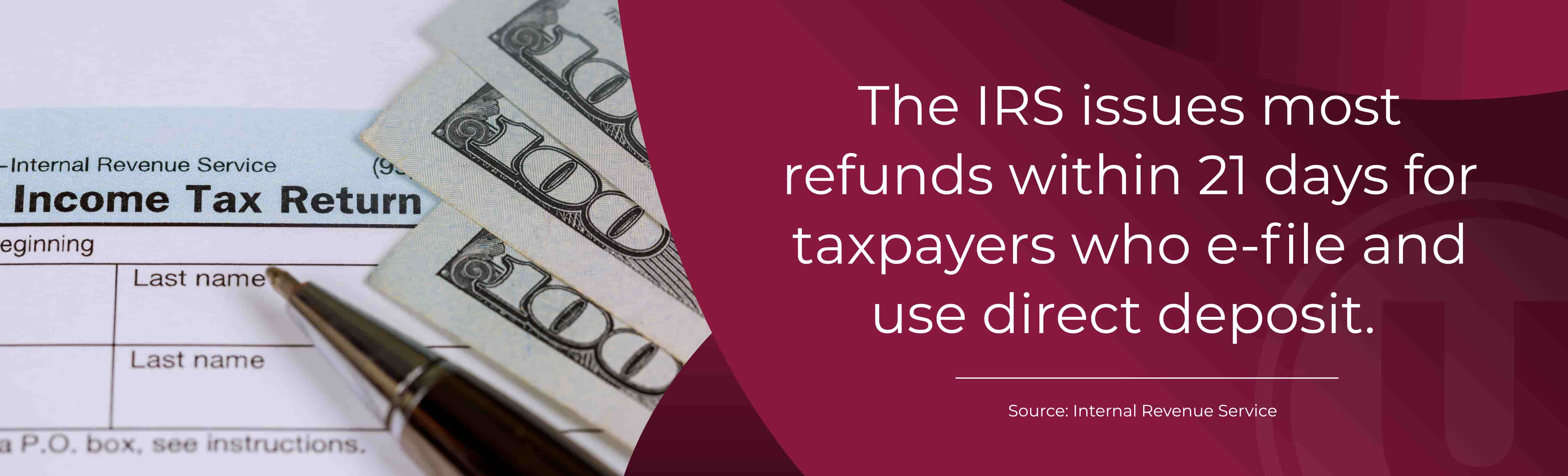
It also gives you time to think about how you want to use your refund before it hits your account.
Tip 1: Get Organized and Gather Tax Documents Ahead of Time
Before you file, gather every tax document you may need and put them in one place.
That may include:
- W-2s from employers
- 1099s for freelance or contract income
- mortgage interest statements
- student loan interest statements
- donation records
- retirement or investment account statements
If you earned extra income through online sales, gig work, freelance projects, or a side business, make sure you’ve included all of it. Missing income is one of the most common tax mistakes and can lead to delays or penalties.
A paper folder or digital checklist can make the process easier and help you spot what’s still missing before you file.
Tip 2: Understand Available Credits and Deductions
Many people miss credits or deductions simply because they file too quickly or assume something doesn’t apply to them.
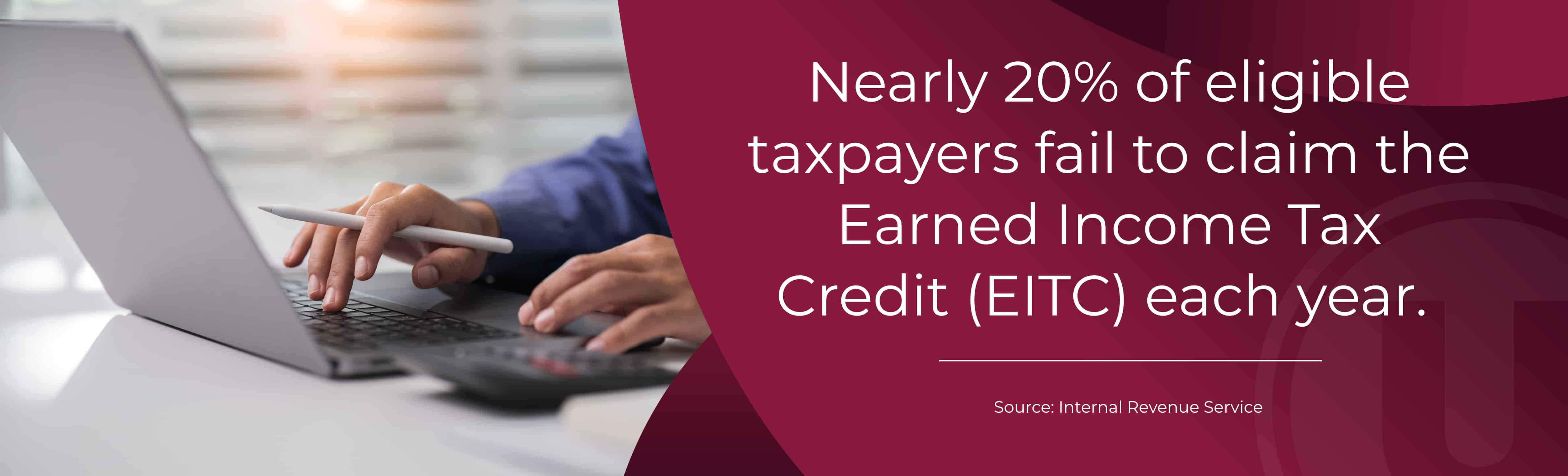
One of the best Arkansas tax tips is to slow down long enough to review what may be available before you file.
Common credits and deductions may include:
- Earned Income Tax Credit (EITC) for qualifying low- to moderate-income workers
- Child Tax Credit for eligible families
- education-related credits for qualified higher education expenses
- mortgage interest deductions
- certain energy-related home improvement credits
Every tax situation is different, and eligibility depends on your income, filing status, and family situation. You can also explore our post on 5 Ways to Save on Your Taxes for more ideas.
Tip 3: Maximize Your Refund Through Smart Filing Choices
Some filing decisions can affect both the size of your refund and how quickly you receive it.
Here are three worth a closer look:
- Standard vs. itemized deductions: The standard deduction makes sense for many households, but itemizing may make more sense if you have significant mortgage interest, charitable contributions, or other qualifying expenses.
- Filing jointly vs. separately: Married couples may want to compare both options to see which works best.
- E-filing and direct deposit: E-filing with direct deposit is usually the fastest way to receive your refund. If you want a simple place for direct deposit and everyday money management, explore our personal checking account options.
Tip 4: Avoid the Most Common Tax Mistakes
Even a few small errors can hold up your return or delay your refund. Taking a little extra time before you file can help you avoid problems later.
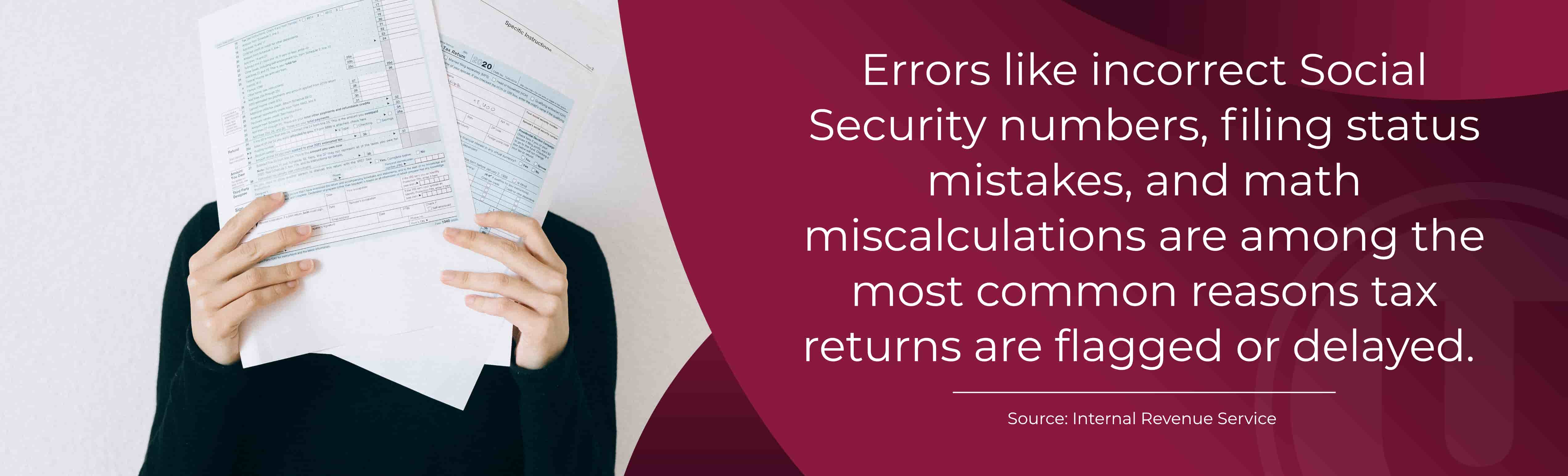
Common tax mistakes include:
- typos and misspelled names
- incorrect Social Security numbers
- wrong bank account or routing information
- missing forms
- data-entry mistakes
- unreported freelance, side-gig, or contract income
Before you submit your return, review your personal information, income totals, and refund account details one more time. If you qualify, IRS Free File may also be worth considering.
Tip 5: Protect Yourself from Tax Scams
Tax season is also prime time for fraud attempts. Suspicious calls, texts, and emails can look convincing when people are expecting tax forms, refund updates, or official notices.
A few red flags to watch for include:
- emails or texts claiming to be from the IRS
- calls demanding immediate payment
- threats involving arrest or lawsuits
- requests for gift cards or cryptocurrency
- messages promising an unusually large refund
If something feels off, don’t click the link or share account information. If you receive suspicious messages related to taxes, it’s best to verify the source before responding. The Federal Trade Commission also tracks and reports common impersonation tax scams each year and offers guidance on how to recognize fraud and what steps to take if you’re targeted. Union Bank’s My Financial Health Suite can help you monitor credit and personal information if you think you may have been targeted by a scam.
Tip 6: Consider Adjusting Your Withholding for Next Year
If your refund was much larger or smaller than expected, it may be time to review your withholding. A large refund may mean too much tax was withheld from your paycheck during the year. If you owed more than expected, your withholding may not have matched your actual situation.
Reviewing your withholding can help bring your taxes more in line with your income and financial goals, especially if you changed jobs, added side income, got married, had a child, or went through another major life change. If your situation has changed, updating your W-4 with your employer can help adjust how much federal income tax is withheld from each paycheck going forward.
Tip 7: Make a Plan for Your Refund
If you expect a refund, it helps you to decide ahead of time how you want to use it. Without a plan, that money can disappear quickly.
Some smart ways to use a refund include:
- building or strengthening an emergency fund
- paying down high-interest debt
- adding to savings
- covering an upcoming planned expense
- making progress on a longer-term financial goal
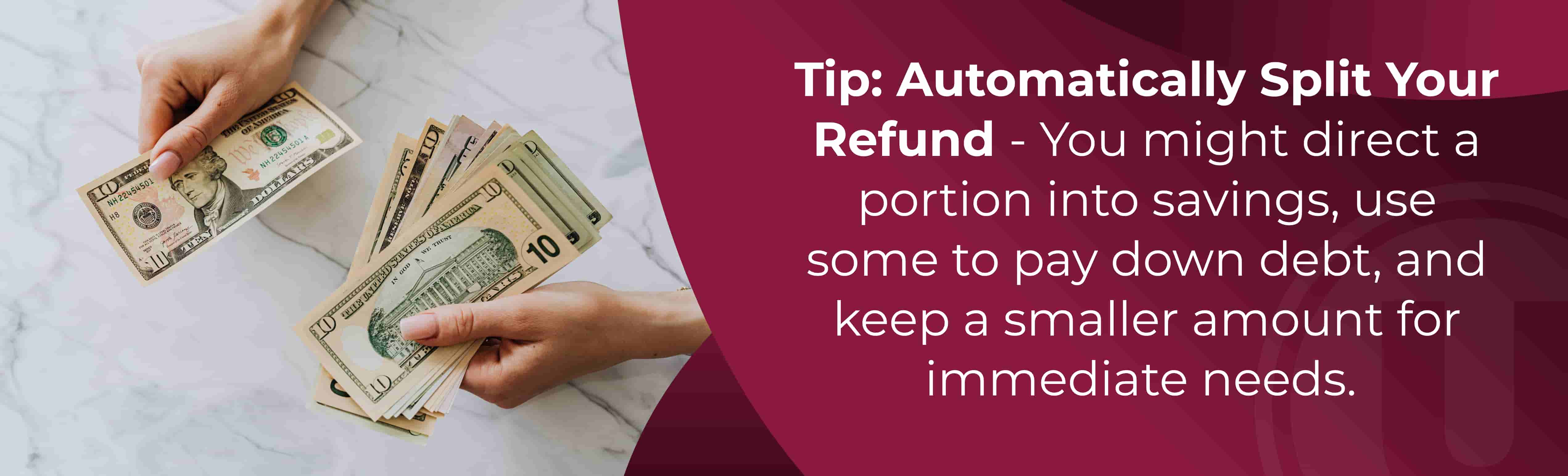
If saving is part of the plan, explore Union Bank’s savings and investments options to find an account that supports those goals. If you want help tracking where your money is going or setting clear goals, MyFi 360 can help. Setting up automatic transfers can also help turn a one-time refund into a longer-term habit.
Tip 8: Don’t Hesitate to Seek Professional Help
Some tax returns are straightforward. Others call for extra help. If you own a business, earn contract income, sell investments, or have gone through a major life change, working with a qualified tax professional may be the right move.
A tax professional can help you:
- identify deductions or credits you may have missed
- make sure your return is accurate
- reduce preventable errors
- plan better for future tax years
While Union Bank doesn’t replace a tax preparer, a local banker can still help you think through budgeting, refund planning, and account options during tax season. If you’re looking for Union Bank tax advice and practical financial guidance during filing season, you can find nearby support through Union Bank’s branch locations.
A Smooth Tax Season Starts with Preparation
Tax season doesn’t have to feel rushed or confusing. When you start early, stay organized, review your options carefully, and watch for common tax mistakes, filing season gets a lot easier to manage.
Ready to make the most of tax season?
Getting organized early can help you avoid delays, reduce stress, and put yourself in a better position to maximize your refund. It can also give you a start on what comes next, whether that means building savings, paying debt, or feeling more confident about your finances.
If you’re expecting a refund, Union Bank can help you prepare with a secure account for safe and fast direct deposit. And if you’d like help with budgeting, financial planning, or deciding how to use your refund wisely, visit one of our locations in Mena, Paris, Hatfield, Wickes, Caulksville, or Ozark or explore checking and savings options online to get started.